
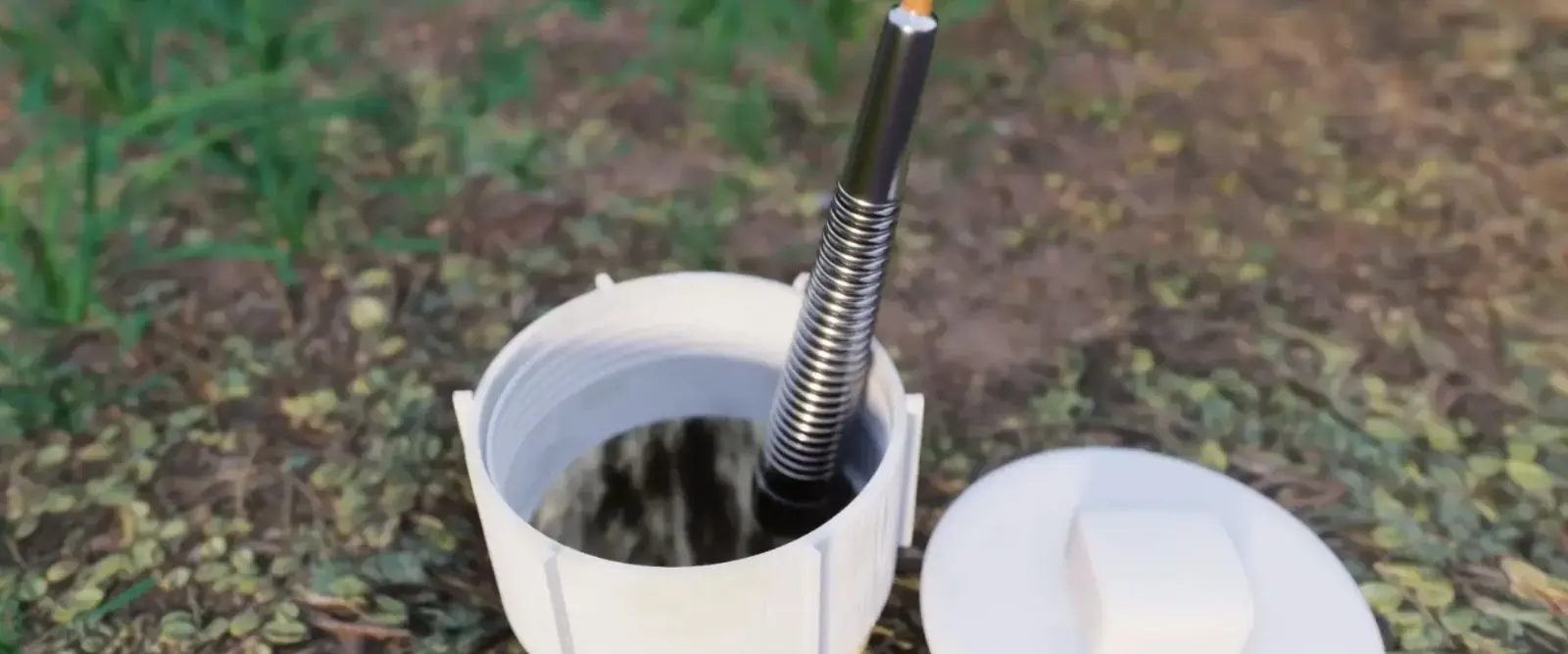
What happens inside old cast iron drain pipe
Cast iron was a standard drain pipe material for much of the twentieth century. Over decades, the inside of the pipe develops rough bumps called tubercles, and a layer of scale and grease builds on them. The opening narrows, and solids catch on the rough surface.
That is why cast iron lines clog repeatedly even when nothing unusual goes down the drain. A cable cuts a small hole in the buildup, but the pipe stays rough and the clog returns.
How jetting helps
A jetter sends high-pressure water around the full circumference of the pipe. It scours loose scale and grease from the wall and flushes it away. A cleaned cast iron line can run noticeably better and stay clear for longer than one that has only been cabled.
| Factor | Good news | Watch for |
|---|---|---|
| Scale and tubercles | Scoured away | Very thick scale may need a first pass |
| Grease | Cut and flushed | Heavy grease takes multiple passes |
| Thin or cracked wall | Not helped | Camera first, repair if needed |
| Joints | Cleaned | Leaking joints may show after cleaning |
| Roots | Cut at joints | The joint may still need repair |
Cast iron line clogging again?
Call and ask about a camera look and jetting.
Why a camera look comes first
Cast iron can thin from the inside and corrode from the outside. High pressure on a thin or cracked wall can open it. A camera shows the wall condition, any cracks, offset joints and bellies, and lets the plumber decide how much pressure is safe.
If the camera shows a failing section, the answer is a repair. Our sewer inspection page explains the camera work, and sewer line repair covers lining and replacement.
Cast iron in a borough incorporated in 1926
South Plainfield was incorporated on March 12, 1926, after separating from Piscataway. Houses built across the twentieth century commonly used cast iron for drains and stacks, and some of that pipe is still in service.
The practical point is that any home with original cast iron may have scale and thinning. A camera look is how you find out what is left, and it also shows where the line connects to the lateral.
Source type: Borough incorporation record and plumbing practice
What jetting cannot fix
A collapsed section
Water pressure cannot reopen a pipe that has failed.
A cracked stack
A crack leaks gas and water and needs repair.
A severe belly
A sag that holds water needs replacement or relining.
Offset joints
Misaligned sections catch solids and need repair.
After jetting, the camera should be run again to confirm the result and record the condition. If the pipe has years left, a maintenance schedule keeps it that way. If not, the camera video helps you plan and compare quotes for repair.
Cost factors and scheduling
The price depends on the length of the line, the access, the amount of buildup and whether a camera look is included. A cleanout makes the job faster. A line with heavy scale may need more than one pass, and a plumber should explain this before starting.
Ask whether the quote covers a before and after camera pass, how long the visit will take and what happens if the camera finds damage. We serve Edison and Scotch Plains too.
Planning a cast iron line for the long term
If the camera shows a sound line with moderate scale, a cleaning every few years may be all it needs. If it shows heavy thinning, plan a replacement before the pipe fails. Ask the plumber to note the footage and depth of each problem so you can budget.
If you are planning a renovation, such as a new bathroom or a basement finish, schedule the camera look first. It is cheaper to replace a failing section while the floor is open than to dig it up later.
Signs your cast iron line needs attention
Slow drains in several fixtures, gurgling in the toilet when the washer drains, a sewer smell near the cleanout and repeated clogs all point to a line that needs a look. Rust-colored stains near joints in a basement stack are another warning sign, since they suggest a leak or corrosion.
Ask the plumber to show you the footage rather than just describe it. A line that looks rough but intact is a candidate for cleaning, and one with holes or cracks needs repair first.
Standards note
Plumbing code standards set a minimum slope for drain pipe, so a cast iron line that has settled can hold water even when it is clean. A camera look after jetting shows whether the slope is still good.
Cast iron jetting questions
It can if the wall is thin or cracked. A camera look first shows whether the pipe is sound enough.
Every few years in many homes, and more often if grease or scale returns quickly. The camera shows how fast it builds.
The stack is the vertical drain pipe. A crack can leak and needs repair, and a camera or a visual check can find it.
If the cause is scale or grease, yes. If the pipe is broken or bellied, no, and the camera shows which.
It removes loose scale and softer buildup. Hard tubercles may remain, but the opening widens.