
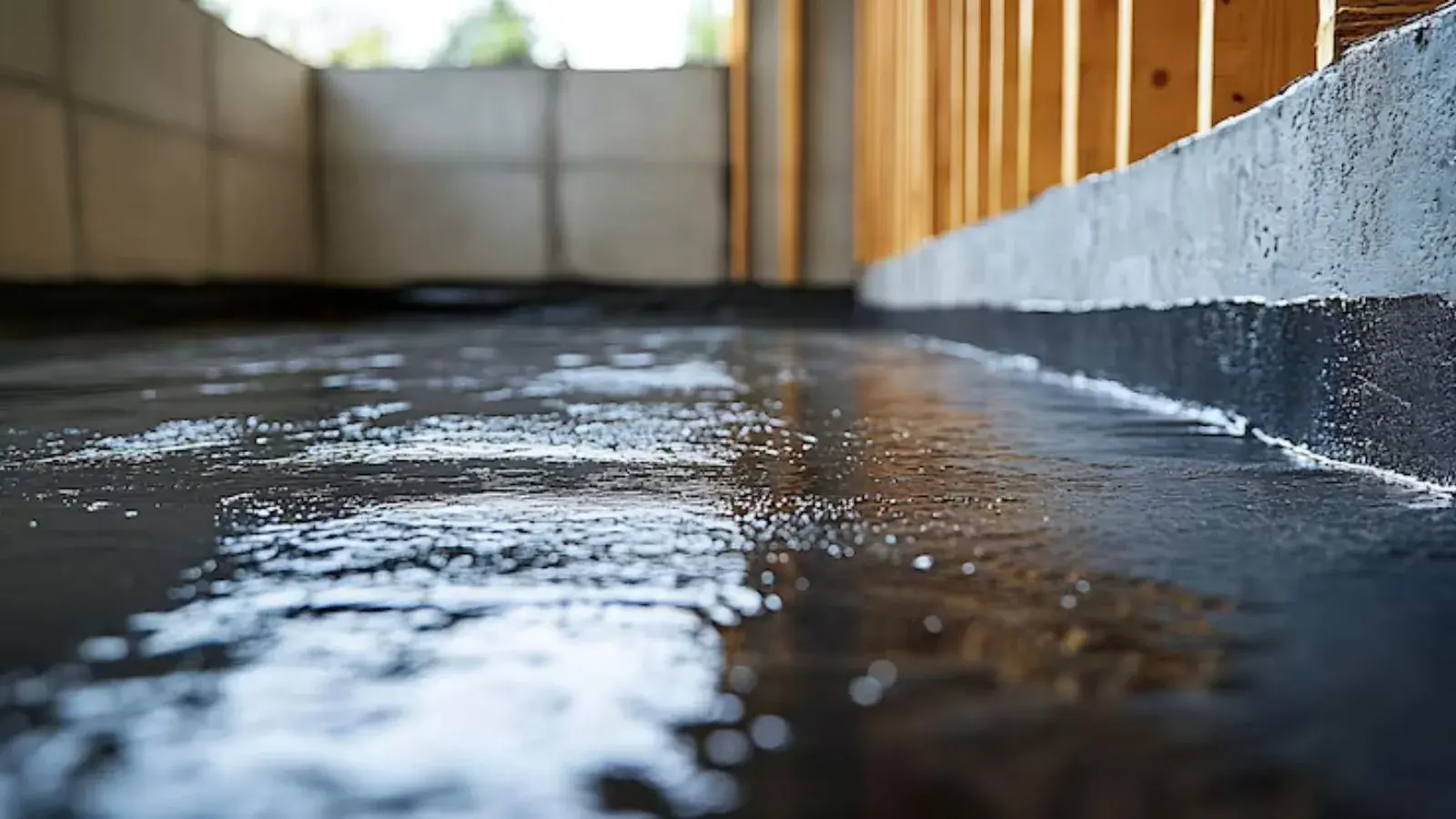
Where the water comes from
Water enters a basement in three main ways: through cracks and joints in the wall, up through the floor slab at the joint with the wall, and through failed plumbing or window wells. Each has a different fix, and a plumber or waterproofer will look for staining, efflorescence and damp spots to tell which you have.
Downspouts that dump next to the house and soil that slopes toward the foundation make every one of those worse. Fixing those outside is often the cheapest step and should come first.
Interior drains and sump systems
An interior drain system runs along the footing under the floor edge. Water that enters at the wall or the joint is caught by the drain and carried to a sump pit, where a pump sends it outside. It is the usual answer for a basement that seeps along the wall base.
The system depends on the pump, so a battery backup is part of a sound plan. Our sump pump page explains pumps and backups.
Basement damp after storms?
Call to book an assessment. We will look at drainage inside and out.
South Plainfield basements and heavy rain
Hurricane Ida in September 2021 flooded homes across the borough, and a News12 report described a family home taking up to nine feet of water. That is the extreme end, but it shows how fast water can rise when drainage is overwhelmed.
After a flood, wet insulation, drywall and carpet stay damp for days and can grow mold. Remove wet materials quickly and dry the space. A sewer line that backs up in a storm is a different problem, covered under sewer line repair.
| Problem | Likely fix | Notes |
|---|---|---|
| Wall crack seepage | Seal crack and add interior drain | Check outside drainage too |
| Water at floor-wall joint | Interior drain and sump | Most common seepage path |
| Flooding during storms | Sump pump and backup | Add a battery or water-powered backup |
| Window well leaks | Clear well drains, add cover | Often a simple fix |
| Sewage backup | Sewer line work | Not a waterproofing fix |
Code and standards note
According to EPA guidance on mold, wet materials should be dried within 24 to 48 hours to prevent mold growth. After a seepage event, that standard is the reason to pull wet carpet and insulation quickly.
Assessments are available in Piscataway too, and a basement that backs up through the floor drain needs sewer line cleaning, not a drain system.
Steps you can take before any work starts
Clean the gutters, extend downspouts several feet away from the foundation and make sure the soil slopes away from the house. Keep window wells clear of leaves and consider a cover. These steps cost little and reduce the water the basement has to handle.
Inside, lift stored boxes off the floor, move electronics up and note where water first appears after a storm. Photos and dates help a plumber work out the path of the water, and they help with an insurance claim if the damage was sudden.
Mold, humidity and finished basements
A basement that stays damp can grow mold on walls, carpet and stored items. A dehumidifier helps with moisture in the air, but it does not stop water entering through the wall or floor. Wet materials that stay damp for more than a day or two should be dried or removed.
If you finish a basement, the walls and floor should be able to breathe and drain. Putting drywall or carpet directly against a wall that seeps invites trouble, and a drain system installed first protects the investment. Call before finishing and have the walls checked.
What affects the price of basement waterproofing
Waterproofing prices depend on how much of the foundation needs work.
Insurance seldom covers seepage and often excludes groundwater, so check your policy. Want your real number? Call and tell us where the water appears.
Want your real number? Call (732) 466-1098Basement waterproofing questions
Often yes, though finished walls and floors raise the cost and may need removal along the drain path. A plumber can assess what is practical.
If water collects under the floor, yes. A drain system needs a pump to move the water out, and a backup is a good addition.
Sealing alone rarely works if water pressure builds outside. Drainage is usually the lasting fix.
Direct downspouts away from the house, regrade soil away from the foundation and keep window wells clear.
Not always. Dampness can come from condensation or groundwater. A plumber can test for a plumbing leak first. See leak detection.